
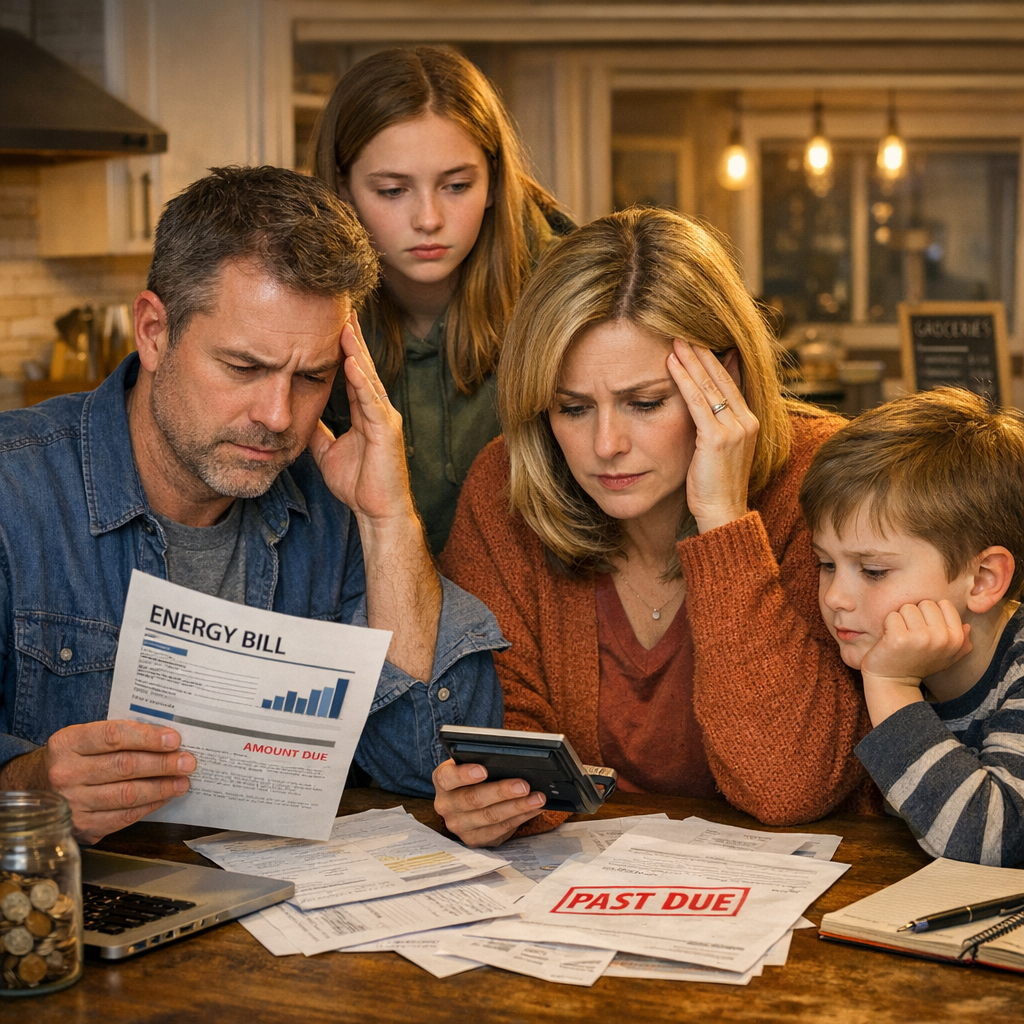
As the nation grapples with economic challenges, many Americans are expressing concern over rising inflation and escalating energy costs. Recent data indicates a significant portion of the population feels frustrated with the current economic trajectory.
Public Sentiment on Economic Policies
A CBS News/YouGov poll conducted among 2,064 adults found that 70% of respondents feel “angry” or “frustrated” about the handling of the economy. Only 11% expressed enthusiasm, and 19% reported satisfaction. This growing dissatisfaction underscores the need for effective economic strategies to address public concerns.
Impact of Energy Costs
The military conflict with Iran, which began in February, has led to the closure of the Strait of Hormuz, a critical passage for global energy supplies. This disruption has caused a surge in energy costs, with average gas prices exceeding $4.50 per gallon nationally and some states experiencing prices above $5. The increased energy expenses have placed additional financial strain on households and businesses alike.
Inflationary Pressures
Inflation has risen to 3.8% in April, marking its highest level in three years. This uptick affects the cost of living, as prices for goods and services continue to climb. The combination of higher energy costs and inflation has led to economic anxiety among consumers, with many feeling that their incomes are not keeping pace with rising expenses.
Looking Ahead
Addressing these economic challenges requires a multifaceted approach, including policy adjustments and strategic planning to stabilize the economy. As the situation evolves, staying informed and proactive will be essential for navigating the uncertainties ahead.